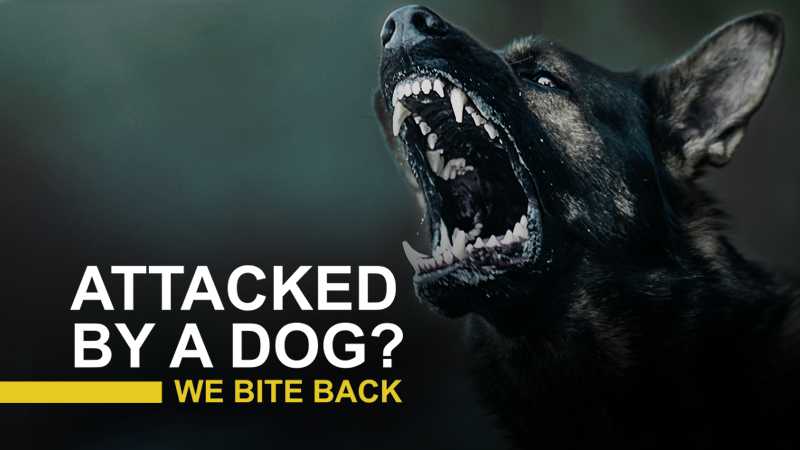
A dog bite can be traumatic and confusing—especially when you’re hurt, worried about infection or scarring, and someone is already telling you “it’s not a big deal.” In Michigan, what you do in the first hours and days can affect both your health and the strength of a dog bite claim.
This guide is a practical timeline for Michigan dog bite victims: what to do immediately, what to document, how reporting works, and how to avoid the common mistakes that insurance companies use to reduce or deny claims.
Need help right now? Call 877-769-3752 for a free, no-pressure case review. No fee unless we win.
Jump to a Section
First 10 Minutes: Safety + Immediate Steps
- Get to safety first. Create distance from the dog. If the dog is loose or still aggressive, move to a secure area.
- Call 911 if the bite is severe (heavy bleeding, deep wounds, face/neck injuries, loss of consciousness, or a continued threat).
- Control bleeding. Apply gentle, steady pressure with a clean cloth or gauze.
- Rinse if you can safely do so. If bleeding is controlled and the wound is not severe, rinse with clean running water.
- Do not chase the dog or escalate the situation. Your priority is safety and medical care.
Quick reality check: Dog bites can look small but cause deep tissue damage and infection. If you’re unsure whether you need urgent care, it’s usually safer to be evaluated.
Call 877-769-3752 if you want guidance on what to do next and how to protect your claim.
First 24 Hours: Medical Care + Documentation
1) Get medical care early
Seek prompt medical attention—especially for bites to the face, head, neck, hands, deep punctures, severe pain, numbness/tingling, reduced movement, or if you notice spreading redness, warmth, fever, drainage, or worsening swelling.
This page is general information and not medical advice. Always follow your clinician’s guidance.
2) Identify the dog and the owner (if possible)
- Owner’s name, phone number, and address
- Where the bite happened (exact location)
- Dog description (breed/type if known, size, color, collar/tags)
- Whether the dog was leashed, behind a fence, or loose
3) Get witness information
Witnesses disappear fast. If anyone saw the bite or what led up to it, get names and phone numbers. Even one neutral witness can prevent “your word vs. theirs.”
4) Start documenting immediately (before things change)
- Photograph your injuries the same day (see the photo checklist below)
- Photograph torn/bloody clothing (do not wash it yet)
- Photograph the scene: gate, fence, leash, warning signs, broken latch, open door, or anything that explains how the dog reached you
- Write a short timeline while it’s fresh: what you were doing, where you were standing, what happened right before the bite, and what the owner said afterward
Pro tip: Save everything in one place (a dedicated folder on your phone + a simple notes file). Organization increases leverage.
First 7 Days: Follow-Up + Protecting Your Claim
1) Keep every medical record and receipt
Dog bite cases are built on documentation. Keep discharge papers, follow-up notes, prescriptions, pharmacy receipts, mileage, and any out-of-pocket costs. If you miss work, write down the dates and hours lost.
2) Track symptoms daily (it matters more than people think)
- Pain levels and sleep disruption
- Loss of motion or function (especially hands/arms)
- Infection symptoms or complications
- Anxiety, fear around dogs, panic, nightmares, or avoidance
- Activity limitations (work, parenting, exercise, daily tasks)
3) Keep photographing healing and scarring
Bruising and swelling often worsen before improving. Scars can change for months. A consistent photo timeline can prevent insurers from downplaying what you went through.
4) Report the bite (if you haven’t yet)
Reporting creates an independent record. If the dog owner later changes the story, a report can help anchor what happened and when.
5) Be careful with social media
Even innocent posts can be used to argue you’re “fine.” Keep your privacy settings tight and avoid posting about the incident, your injuries, or activities that could be misinterpreted.
If you’re feeling pressure or uncertainty during this first week, call 877-769-3752.
Photo Checklist: What to Photograph (and When)
Photos are one of the most powerful forms of proof in dog bite cases—especially when scarring is involved.
- Day 1: close-up photos of punctures/lacerations + a wider photo showing the body location
- Bruising/swelling: same day + next day + day 3 (bruising often develops later)
- Stitches/bandages: before and after dressing changes (if appropriate)
- Healing progression: every 2–3 days for the first two weeks
- Scarring: weekly photos for 4–8 weeks, then monthly
- Torn/bloody clothing: front/back, close-up and full view
- The scene: gate/fence/leash, warning signs, open access points, broken latch, where you were standing
Consistency tip: Take photos in similar lighting and distance when possible. Use one “reference” photo each time (same angle) so progression is clear.
Reporting the Bite in Michigan
Many Michigan dog bite victims ask: “Do I have to report it?” Reporting can be helpful because it creates an official record and can help confirm the dog’s identity and ownership.
- Contact the appropriate local agency (often animal control or local law enforcement, depending on where you live).
- Ask for the report or incident number so you can reference it later.
- Provide clear facts (location, time, dog/owner identity if known, injuries, witnesses).
If you’re unsure where to report in your area, call 877-769-3752 and we’ll point you in the right direction.
Insurance Calls: What to Say (and Not Say)
It’s common for the dog owner’s insurance company to contact you quickly. They may sound friendly and say they “just need your side,” but their job is to reduce payouts.
Protective rules of thumb
- Do not give a recorded statement before you get legal guidance.
- Do not guess about facts (“maybe I startled the dog,” “I might’ve stepped closer,” etc.).
- Do not minimize your injuries (“it’s not that bad”)—especially early.
- Do not sign broad medical authorizations without understanding what’s being requested.
If an adjuster has already called you, call 877-769-3752 before you respond.
If a Child Was Bitten
Dog bites involving children can be especially serious—physically and emotionally. Kids may also struggle to explain what happened, which makes documentation even more important.
- Get medical care promptly and follow all follow-up recommendations.
- Photograph frequently (day 1, day 2–3, week 1, then weekly).
- Track behavioral changes (sleep issues, fear, anxiety, avoidance, school or activity changes).
- Don’t let anyone rush settlement before scarring and future care needs become clearer.
If your child was bitten, call 877-769-3752 for a plan tailored to your situation.
If You Were Bitten While Working
Dog bites commonly happen to people doing lawful work: delivery drivers, contractors, home service technicians, field workers, and visitors entering property for legitimate reasons.
- Report the incident internally (according to your employer’s policy).
- Document the address, the dog owner’s information, and any witnesses.
- Photograph injuries and the scene as soon as you can.
- Be cautious with insurance calls—work-related bites can get complicated fast.
If you were bitten while working and don’t know what to do next, call 877-769-3752.
Common Mistakes That Hurt Dog Bite Cases
- Waiting too long to get medical care (gives insurers room to argue the bite wasn’t serious).
- Not reporting the bite (can become a credibility issue later).
- Taking only one photo and never documenting healing/scarring progression.
- Giving a recorded statement while still shaken and unsure of details.
- Accepting a fast settlement before long-term impact is understood.
- Throwing away torn clothing or cleaning it before photographing.
When to Call a Michigan Dog Bite Lawyer
Consider calling promptly if the bite involved:
- Infection, complications, or worsening symptoms
- Face/head/neck injuries, hand injuries, or deep punctures
- Scarring or disfigurement concerns
- A child victim
- Disputes about what happened (“provocation” claims, lawful presence disputes, shifting stories)
- An insurance adjuster requesting a recorded statement or quick settlement
Free, no-pressure case review. Call 877-769-3752
No fee unless we win.
Disclaimer: This page is for general information only and is not legal advice. Every case depends on specific facts, and deadlines can apply.