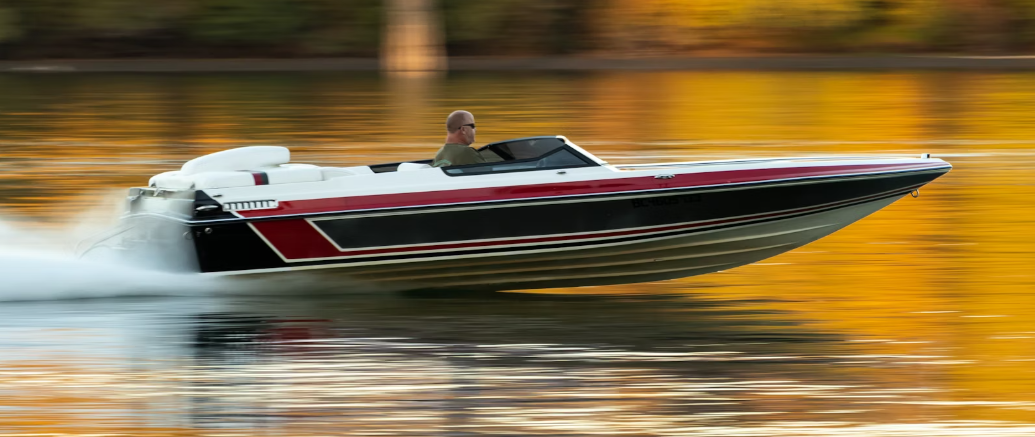
Navigating Boating Accident Cases in Michigan
As the summer sun beckons us to Michigan’s picturesque lakes and rivers, understanding the risks and responsibilities of boating can be helpful. Boating accidents, often underestimated, can lead to severe injuries and complex legal issues. At Power Law, we specialize in handling injury and wrongful death cases across Michigan and only represent victims.
Understanding Boating Accidents in Michigan
Boating accidents can result from various factors of an operator’s negligence; this can include excessive speed, inexperience, violating safety rules and alcohol consumption to name a few. Each of these factors increases the risk of accidents.
Michigan Boating Laws and Regulations
Michigan enforces strict boating safety laws to ensure safe navigation on its waterways. Key regulations include:
- Mandatory Safety Courses: Certain boat operators must complete approved safety courses.
- Age Restrictions: Specific age requirements are in place for operating vessels.
- Alcohol Consumption: Boating under the influence of alcohol (OUI) is prohibited and carries severe penalties, like those for driving under the influence.
Dangerous Boating Practices in Michigan
Michigan law identifies several dangerous boating practices as illegal. These include:
- Reckless Operation: Operating a vessel or manipulating water skis in a manner that endangers others. Examples include weaving through congested traffic, jumping wakes too close to other vessels, disturbing wildlife, or causing damage with a vessel’s wake.
- Speeding Violations: It’s illegal to:
-
- Exceed 55 mph unless at least one mile offshore on the Great Lakes or Lake St. Clair.
- Go faster than “slow, no wake speed” when someone is in the bow without proper seating.
- Operate faster than is reasonable given the conditions (weather, vessel traffic, etc.).
- Improper Distance: Maintain at least 100 feet from shorelines, moored vessels, docks, rafts, and marked swimming areas when operating in unmarked areas at speeds above “slow, no wake speed.” Personal watercraft (PWC) must stay at least 200 feet from Great Lakes shorelines and avoid crossing within 150 feet behind other vessels unless it’s another PWC.
- Improper Direction: Boaters must operate counterclockwise in unmarked waters.
- Restricted Areas: Boating within areas marked by buoys, beacons, or diver-down flags is prohibited.
- Unsafe Passenger Seating: Passengers must not ride on the bow, gunwales, or transom of a motorboat at speeds above “slow, no wake speed.”
- Insufficient Equipment: Vessels must carry and maintain marine safety equipment as mandated by the Department of Natural Resources (DNR).
Adhering to these regulations ensures safety and compliance while enjoying Michigan’s waterways.
Potential Damages from Boat or Personal Watercraft Operator Negligence in Michigan
If you or a loved one has been injured due to the negligence of a boat or personal watercraft operator, you may be entitled to compensation for your damages.
Types of Compensation for Personal Injuries in Boating Accidents
- Property Damage: Seek compensation for repairs or replacement costs of damaged property, including boats and personal belongings.
- Wage Loss: Compensation may be available for lost wages due to injuries. This includes current and future income affected by ongoing disabilities or recovery needs.
- Medical Bills: Claim damages for medical expenses, including hospital stays, surgeries, doctor visits, and rehabilitation.
- Pain and Suffering: Pursue compensation for physical pain and emotional distress resulting from the accident.
- Loss of Enjoyment of Life: If the accident has diminished your ability to enjoy daily activities, you may be entitled to damages for the loss of enjoyment of life.
Compensation for Wrongful Death in Michigan for Boating Accidents
In cases where negligent boat or personal watercraft operation leads to a wrongful death, Michigan law provides for several types of damages to surviving family members:
- Medical Expenses: Reimbursement for reasonable costs of medical care provided to the deceased before their passing.
- Funeral and Burial Costs: Compensation for funeral and burial expenses.
- Pain and Suffering: Compensation for the pain and suffering experienced by the deceased prior to death.
- Loss of Financial Support: Compensation for lost income the deceased would have earned.
- Loss of Society and Companionship: Compensation for the loss of the deceased’s services and companionship.
Scuba Diver Injury and Death Cases in Michigan
Scuba divers in Michigan face significant risks because of the inattentiveness and negligence of boat and personal watercraft operators. If safety protocols are not followed by, for example waterski boats or Jet Skis, significant harm may occur to scuba divers. Here are a few safety rules for divers and snorkelers:
- Display a diver-down flag to clearly mark their diving area.
- Stay within 100 feet of the vertical position of their diver-down flag.
Law for Boat Operators: Vessels must maintain a minimum distance of 200 feet from a scuba diver’s diver-down flag.
Adhering to these regulations and following commonsense helps protect divers and reduces the likelihood of accidents.
Steps to Take After a Boating Accident
If you are involved in a boating accident, follow these steps:
- Ensure Safety: Check for injuries and provide medical assistance as needed.
- Report the Accident: Contact authorities and file a report as required by Michigan law.
- Gather Evidence: Collect information from all parties involved, including witnesses and photos of the scene, watercraft involved, people involved and injuries.
- Seek Legal Counsel: Consult with a personal injury lawyer experienced in boating accidents to protect your rights and explore legal options.
Call us anytime at 877-POWER-LAW for a free case analysis and legal advice for boating accidents or other vehicle accident cases.